
The Microenterprise Home Kitchen Movement Is Here
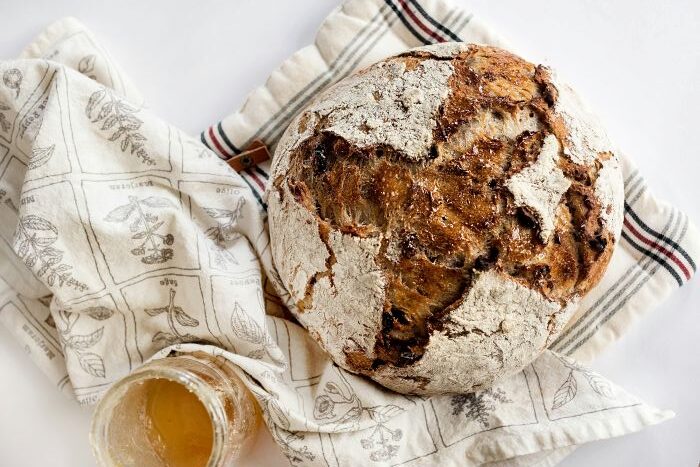
It was a full circle moment. Dawn Zaft was starting another business in her home kitchen. Her last home-based business had been an unpermitted “criminal” bakery in her home.
A single mother with little money for start-up, Zaft’s home kitchen operation had allowed her to earn some money while remaining an in-home caregiver. From that beginning in the baked goods black market (a very real thing in our economy), Zaft’s business grew and eventually went legit, becoming the much-lauded Criminal Baking and Catering Company, best known for its cozy cafe, nestled in Santa Rosa’s West End neighborhood.
Ten years later, Zaft recently sold the café as she began seeking a fresh adventure, while retaining co-branding rights with the cafe’s new owner Irma Hernandez. Returning to her home kitchen, Zaft’s new business includes pop-ups in her driveway and home-baking classes for adults and “little criminals,” as she calls them. The difference between those days of working undercover in her kitchen and her new endeavor is that this time around, Dawn Zaft has a legal permit to do so. Indeed, Zaft holds the first permit issued by Sonoma County’s new “Microenterprise Home Kitchen Operation” program—that’s MEHKO for short. Like most revolutions, this one begins with a “criminal.”
MEHKOs actually became legal in California in 2018. The gap between the passage of the law in 2018 and the first permit issued in Sonoma County in 2026 is due to a stipulation that required each of California’s 54 counties to opt into the program individually. To date, 17 counties have opted in. Sonoma County joined in December 2024.
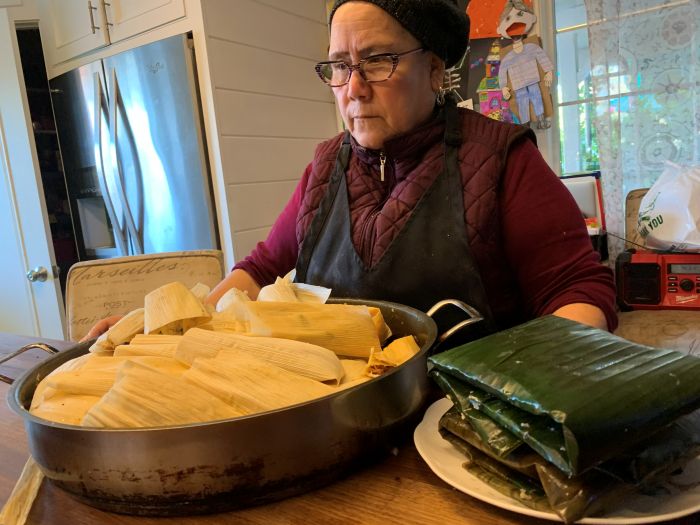
A MEHKO permit allows a home restaurant operation in the primary kitchen of the permit holder’s primary residence. Food must be made and sold from their kitchen the same day—no storing. And the food must be sold directly to consumers. A MEHKO can have a maximum of 30 customers per day, and 90 customers per week. At approximately $550 for the one-year permit, Sonoma County has created a new low-cost entry point for entrepreneurs to enter the food industry. That’s a win.
Complaints from conventional restaurants about competition are addressed by MEHKO’s statewide revenue cap of $100,000 per year. That’s gross sales—not profit. As Dawn Zaft pointed out, typical profit margins are usually lower than 20 percent. With the Sonoma County annual cost of living estimated at $100,000 for a family of four, MEHKO’s are at best a side hustle business or a steppingstone to a conventional restaurant operation.
Broadly speaking, public health experts are keen to promote MEKHO permits because it is an invitation to the considerable number of illegal food operators to come out of the shadows and enter its health-regulatory framework. According to Christine Sosko, director of the County Department of Environmental Health, Sonoma County has taken the extraordinary step of reallocating County funds and securing a grant to waive permit fees for a limited introductory period in order to encourage food entrepreneurs to apply.
Dubbed “the Tamale Lady Bill” during the state lobbying process, MEHKO permitting was designed to help low-income new arrivals develop a supplementary income with the legal protection of a side hustle they were already pursuing (e.g., selling tamales).
The Cook Alliance is a coalition of immigrants, stay-at-home parents, community builders, educators, activists, policy makers, entrepreneurs, and home cooks. Its director, Roya Bagheri, shared that in a loose analysis of the 1000+ permits issued in California applicants were predominantly immigrants, persons of color, women, caregivers, artists, and working-class people. In other words, those classes of people traditionally excluded from the food industry—and from the economy as a whole. MEHKO appears to be having its intended progressive effect.
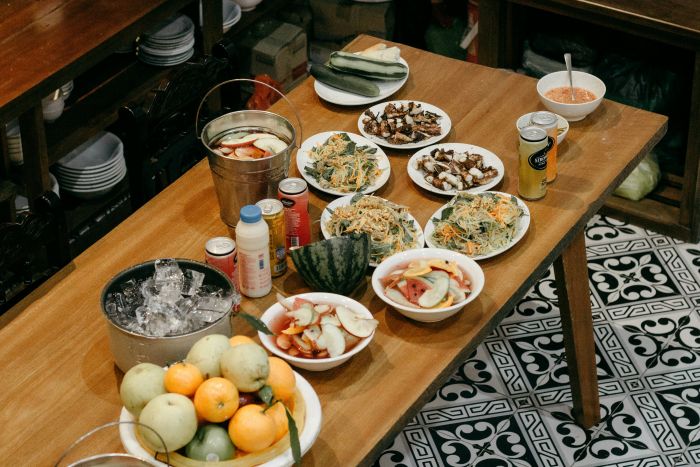
Salome Arenas—the famous “Tamale Lady of Moorland” in Santa Rosa, is a poster woman for MEHKO in Sonoma. Her story has been documented in a series of high-profile articles in the Press Democrat. To help raise her small children, Arenas opened an unpermitted restaurant in her home. It catered mostly to other immigrants nostalgic for an authentic taste of Oaxaca. The home business allowed Arenas to keep an eye on her children and build community in a neighborhood which was then rife with gang violence. With time, word spread about her smokey Oaxacan chicken mole and tamales steamed in banana leaves, leading, unfortunately, to the county shutting down her restaurant in 2023.
Today, Arenas has graduated from the food safety and compliance course offered by the Cook Alliance. She is close to receiving her own MEHKO permit to reopen her home-based restaurant.
But to realize the fullest benefit of MEHKOs, one impediment still needs to be addressed: Sonoma County has included a zoning exclusion stating that MEHKOs cannot be permitted on agricultural land.
The benefit of MEHKOs on agricultural land is that MEHKOs could help make the farming of fruit, nuts, grains, and vegetables profitable again in Sonoma County. At present, they are not. Most people don’t realize that Sonoma County imports approximately two-thirds of these foodstuffs—which is something of a scandal. But with a MEHKO permit, a local food farmer could take some salad greens that sell for $4 a bag at the farmers market and make them into farmstand salads they can sell for $12—a true farm-to-table experience.

The roadblock is due to a feature of the preexisting County General Plan that makes farmland incompatible with MEKHOs. The General Plan is currently up for revision. Local activists cherish the hope that Supervisor Lynda Hopkins, a sponsor of the opt-in, will finish her work of bringing the local MEKHO permitting to Sonoma County farmlands.
The Micro Enterprise Home Kitchen Operation permit program is a giant step forward in opening Sonoma County’s food economy to immigrants, farmers, persons of color, artists, and working-class entrepreneurs. Its vision is that of a richer, more varied, more adventurous, more equitable, and healthier food scene that we can all enjoy.